For my year abroad, I’m studying Biology at the University of South Florida in Tampa from August 2023 to May 2024. While most people decided to go home for their winter break, I decided to travel southern South America from December 7th 2023 to January 7th 2024, as I had only visited as a baby but was enthralled by the idea of the rich and diverse cultural experiences, as well as the range of tropical fauna and flora and their habitats. I decided to spend my month off backpacking, starting in Chile and heading up through Bolivia to finish in Peru before returning to Tampa. These are some of the amazing things I managed to experience while out there.
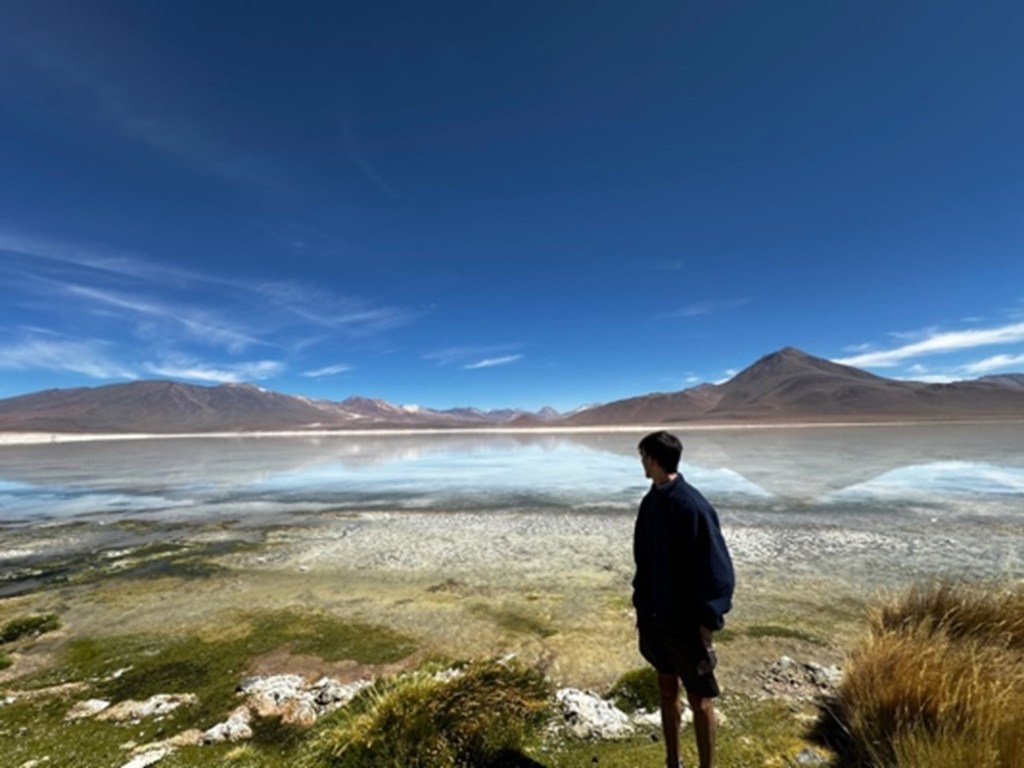
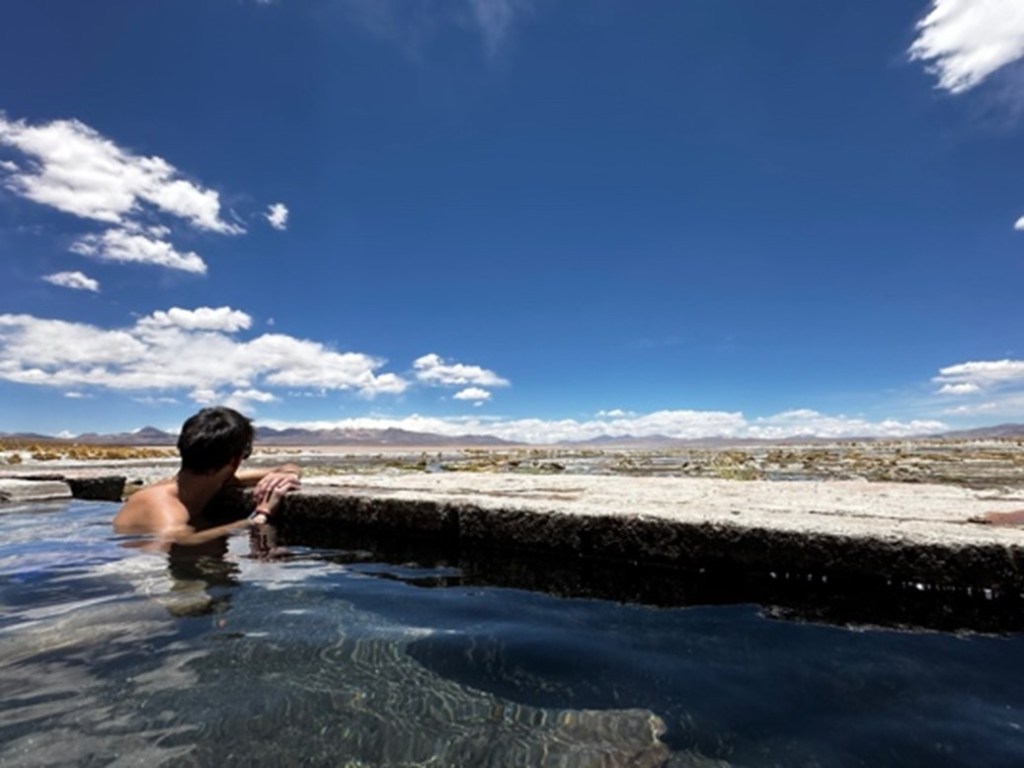
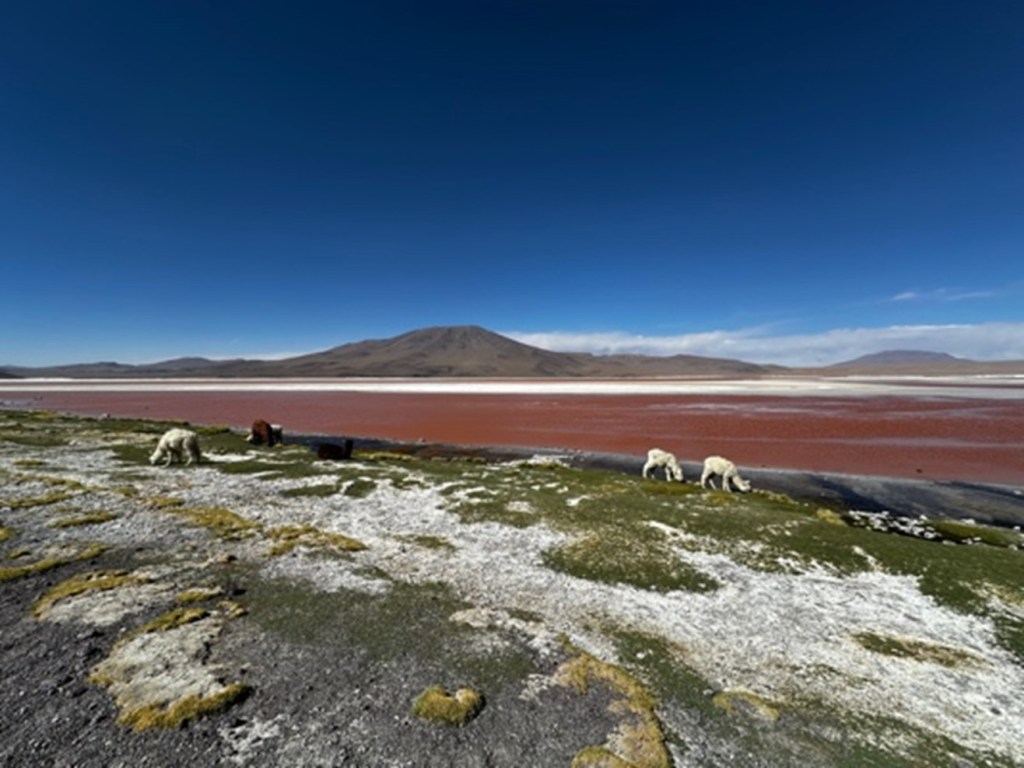
My first day of travelling began with a 7-hour bus from Tampa to Miami, followed by connecting flights to Santiago and on to Calama. I spent a day acclimatising to the altitude in San Pedro de Atacama, before starting my first trip. In a group of other travellers, I drove across the Chile/Bolivia border, stopping at Laguna Blanca, Laguna Colorada and Termas de Polques to admire the beautiful, pigmented lakes and swim in the thermal baths.

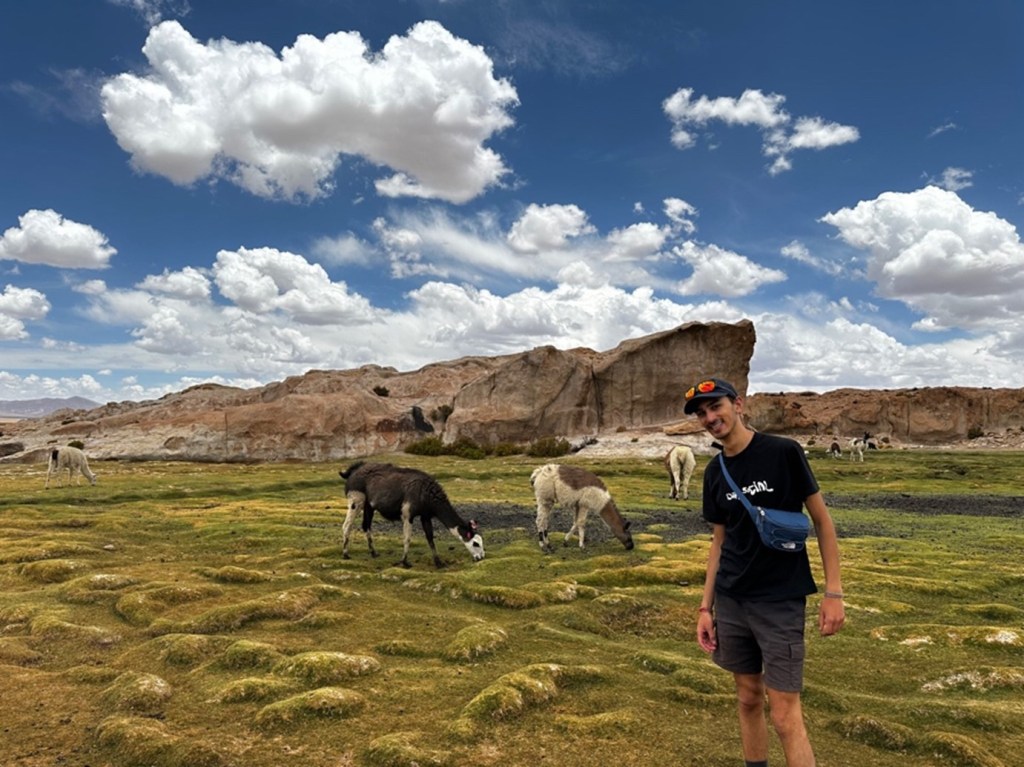
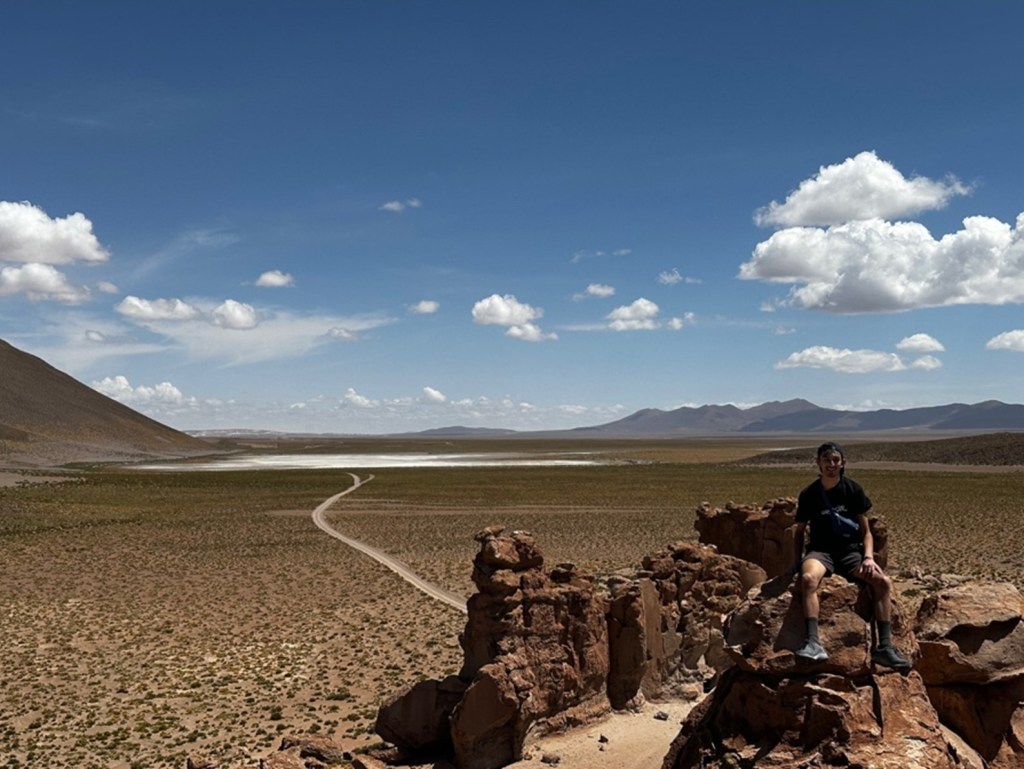
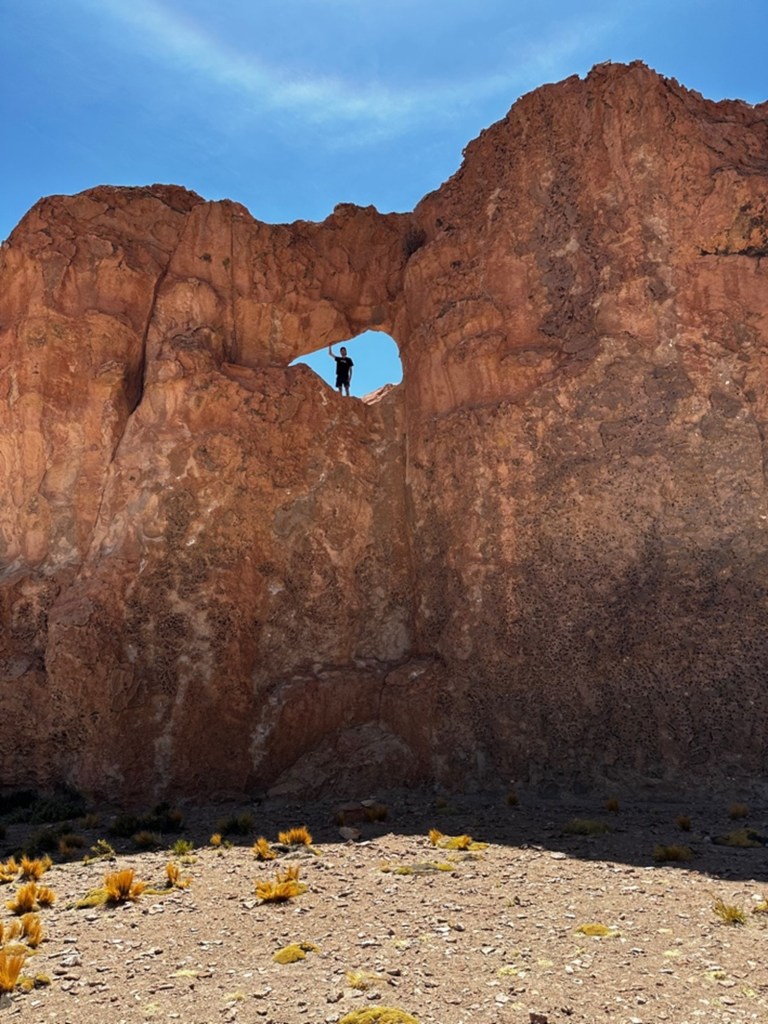
On the second day, we travelled through the Potosí region of the Atacama, climbing rock formations for views of the arid landscape and visiting a mountain stream with herds of llamas, before visiting a remote desert bar and making our way to a salt hotel for the night.
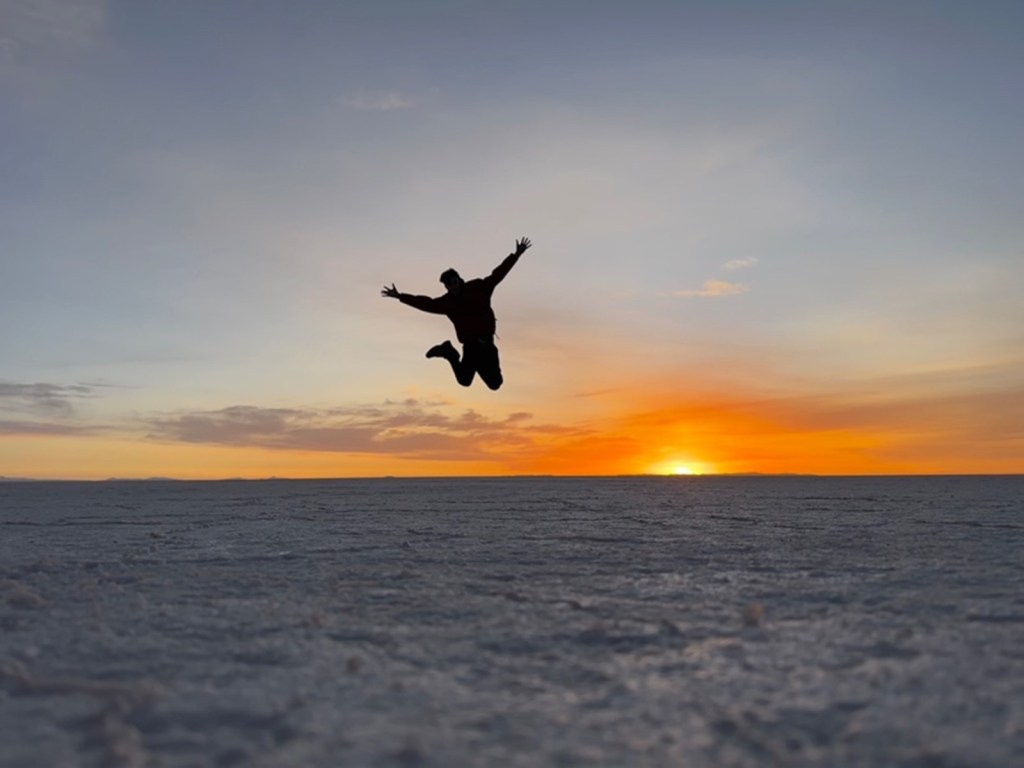
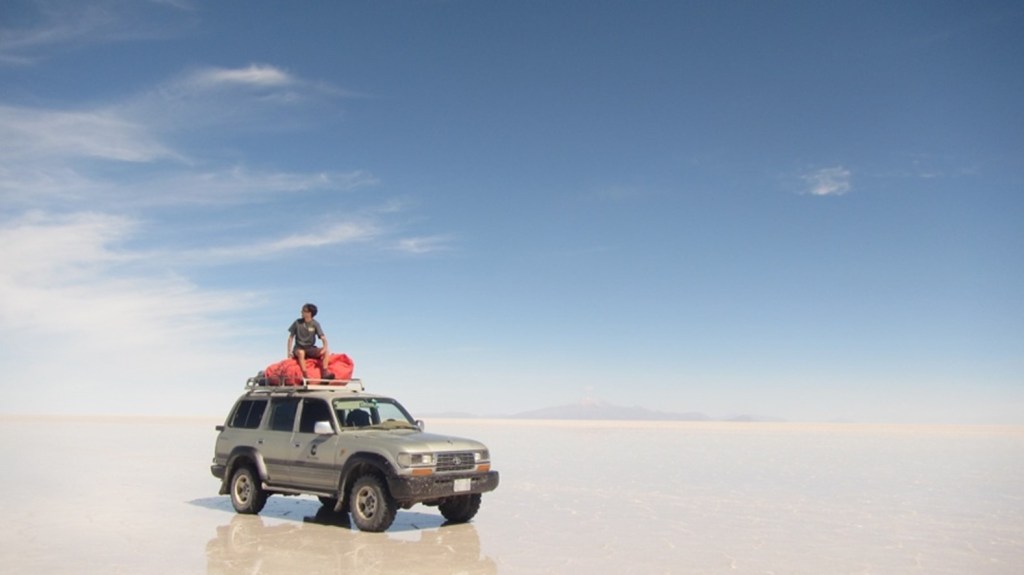
Our final day of the trip began with a 5am departure for the Uyuni salt flats, where I saw one of the best sunrises I’ve ever seen – beautiful pinks and oranges creeping over the salt plains, and crystal-clear reflections leading to the horizon. We travelled to the desert island of Isla Incahuasi, with huge cacti and rare endemic birds, and looked out over the magnificent flats, before driving to a train graveyard on the outskirts of the city of Uyuni. We finished the day with a meal, before catching an overnight bus to the Bolivian capital of La Paz.

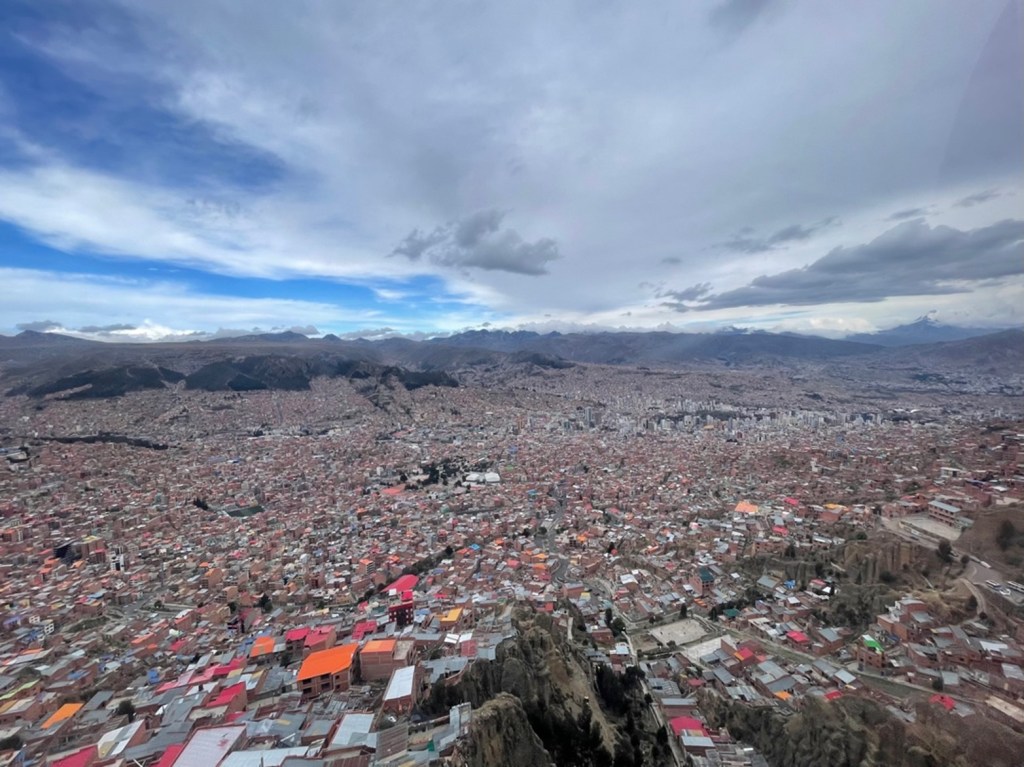
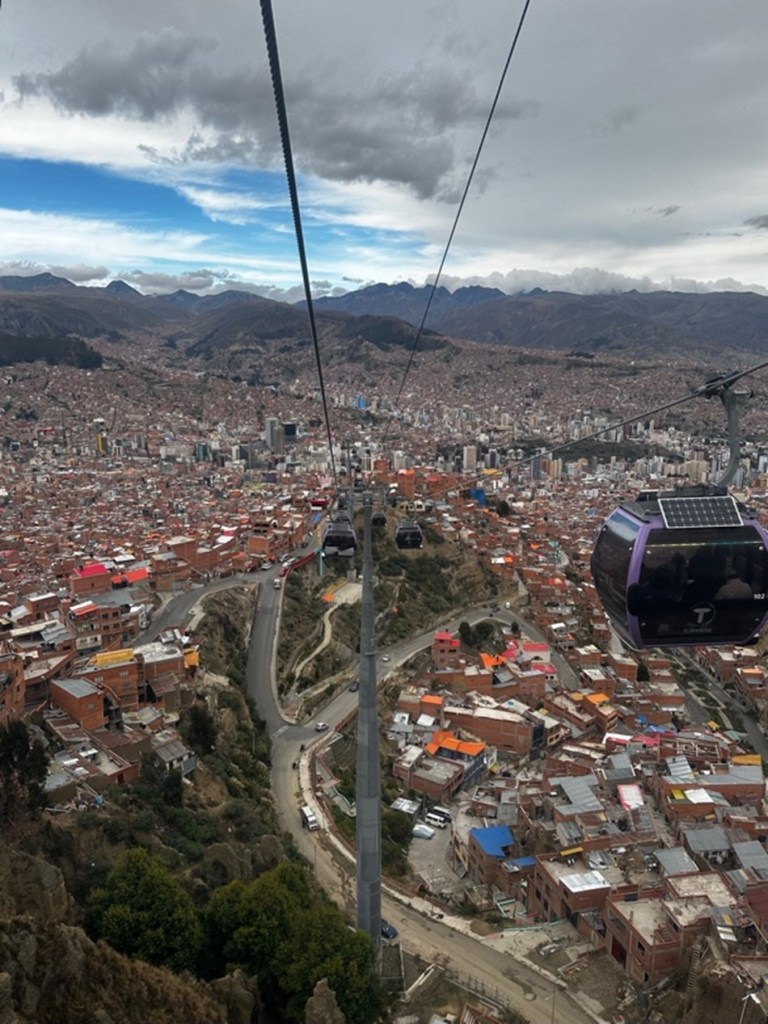
Arriving at 7am in La Paz, I reached my hostel to drop my bags, before heading to breakfast in a café down the street. I spent some time exploring the local markets, including looking around the Witches’ Market, filled with dried llama foetuses and desiccated frogs. I visited a coca leaf museum in the afternoon, learning about the cultural uses of the leaves and the subsequent transition into its use as a drug following colonisation. I booked a trip for the next day with a local travel company and then took the Teleférico, or cable car system, to view the city from above – La Paz uses cable cars in place of trains to travel the city due to its altitude and mountainous landscape, and one can see sweeping scenes of the city from the air.
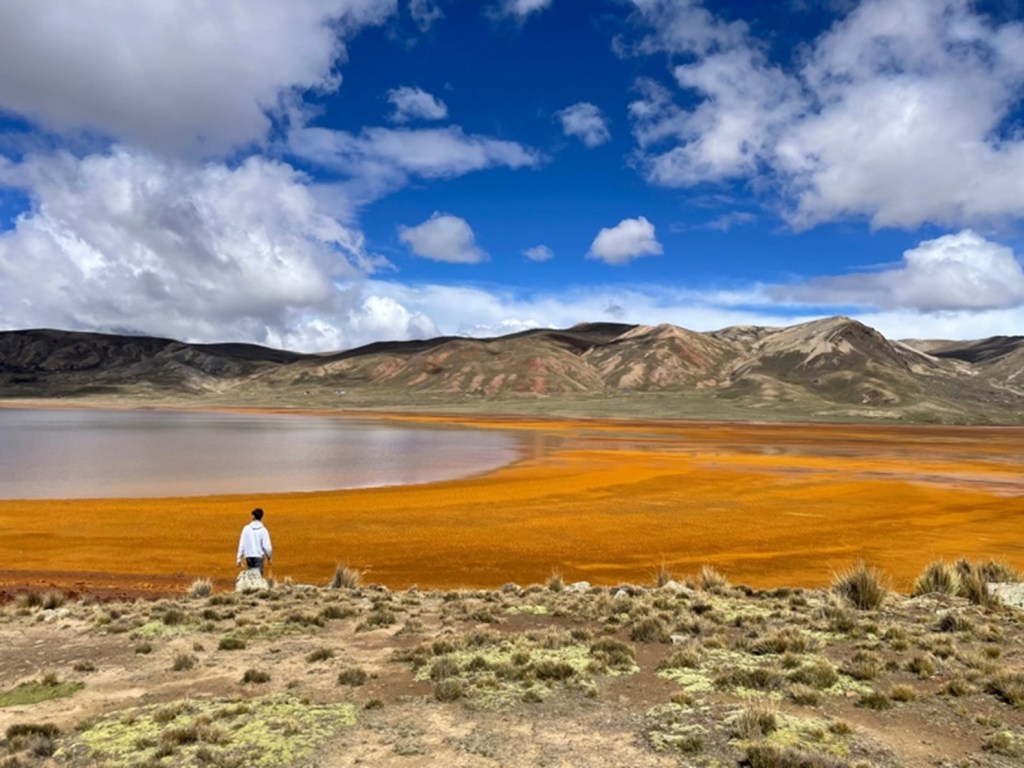
The next morning, I took a tour bus to the Potosí mountain above La Paz, passing by copper and sulphur-stained lakes and a miners graveyard on the journey. The lake itself was reached by a short hike, made difficult by the high altitude but yielding a stunning blue lake nestled within the snow-capped peaks. We headed back just as a rainstorm started, and after trying an alpaca burger, I spent the evening reading on the hostel veranda, accompanied by the peaceful sounds of rain.

On my final day in La Paz I walked through the city, seeing the government buildings and local parks, before looping back through the backstreets to my end of town. I had an afternoon bus booked to my next destination, and so headed to the bus station to board – the evening was spent on the bus as it wound through the mountains on the precipice, giving a beautiful but terrifying view down the sheer rocky faces.
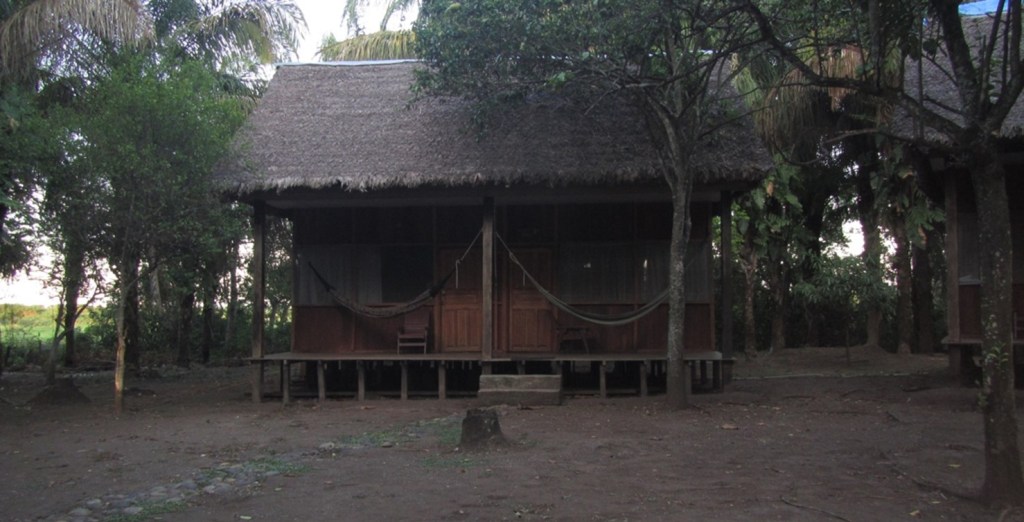
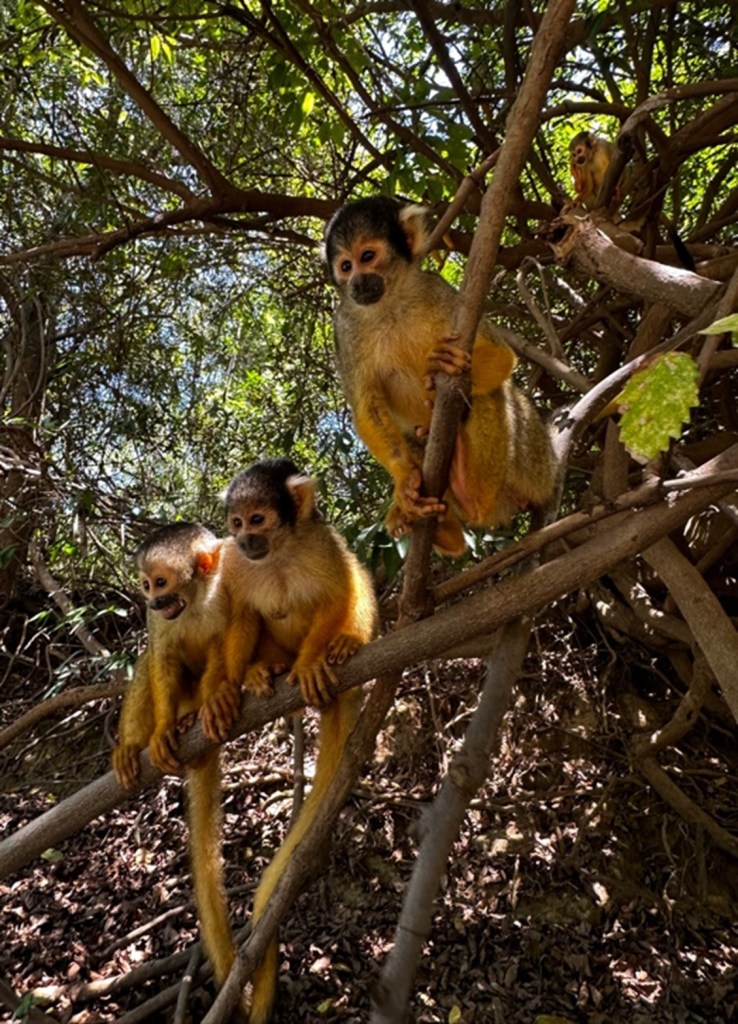
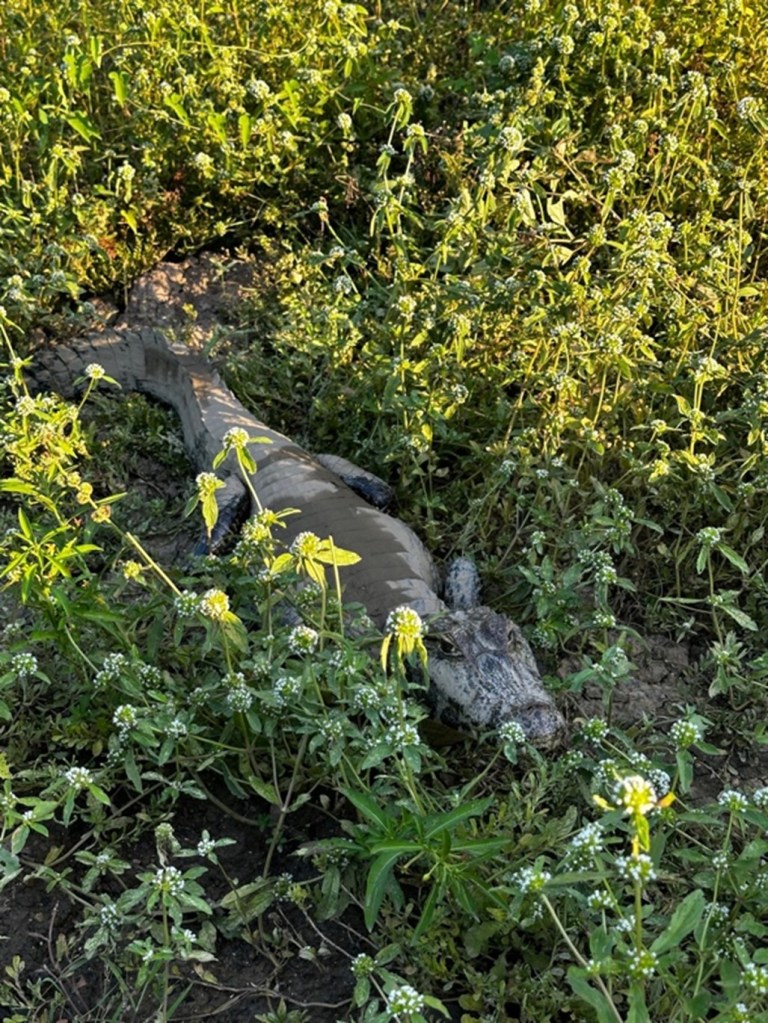
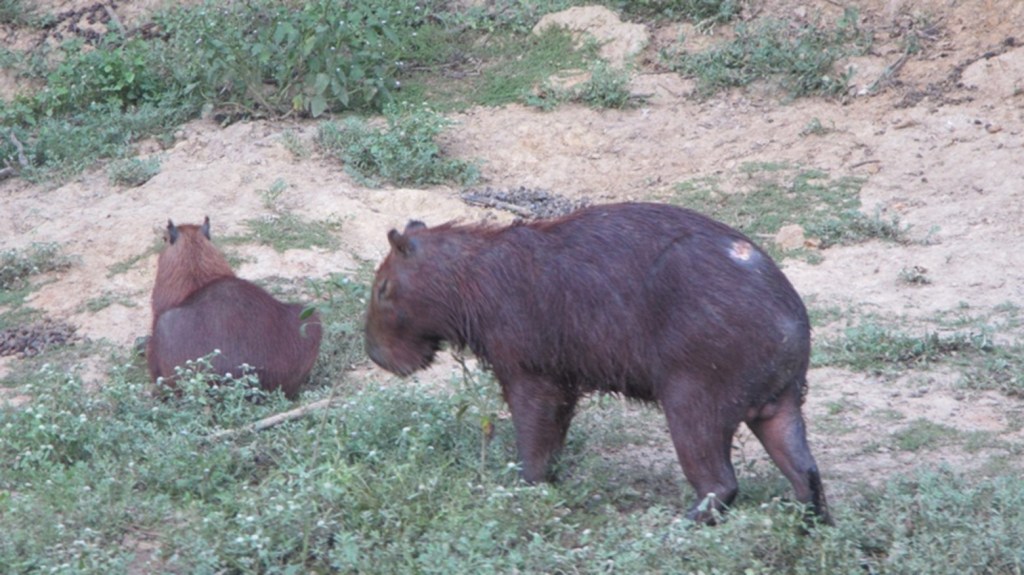
I arrived in the early morning at Rurrenabaque, a town on an Amazonian tributary, the Beni River. Since I didn’t bring enough cash for a taxi, I ended up walking to town, leaving me exhausted and sweaty by the time I arrived, and ready to relax by the pool. I spent the day relaxing and accumulating mosquito bites and had an early night before my next planned trip. I met my guide Aurelio in the morning, and we took a car to the Bala Lodge on the Yacuma River, where I had booked a 4-day stay. The company had seen a crash in business since covid, so sadly most of the lodges stood empty, despite the amazing quality of the tour. Over the next three days, I travelled up and down the river, seeing an amazing range of Amazonian fauna from a small boat, while my guide imparted his knowledge about the animals and their habits. At night, I slept in a small wooden cabin, hearing monkeys in the trees as I dozed off and waking to the sound of birds, insects and other wildlife. I saw yellow squirrel monkeys, capybaras, hoazin, capuchins, black caiman, spectacled caiman, storks, tiger herons, howler monkeys, kingfishers and so many more amazing species, even getting the opportunity to swim in the water with pink river dolphins.

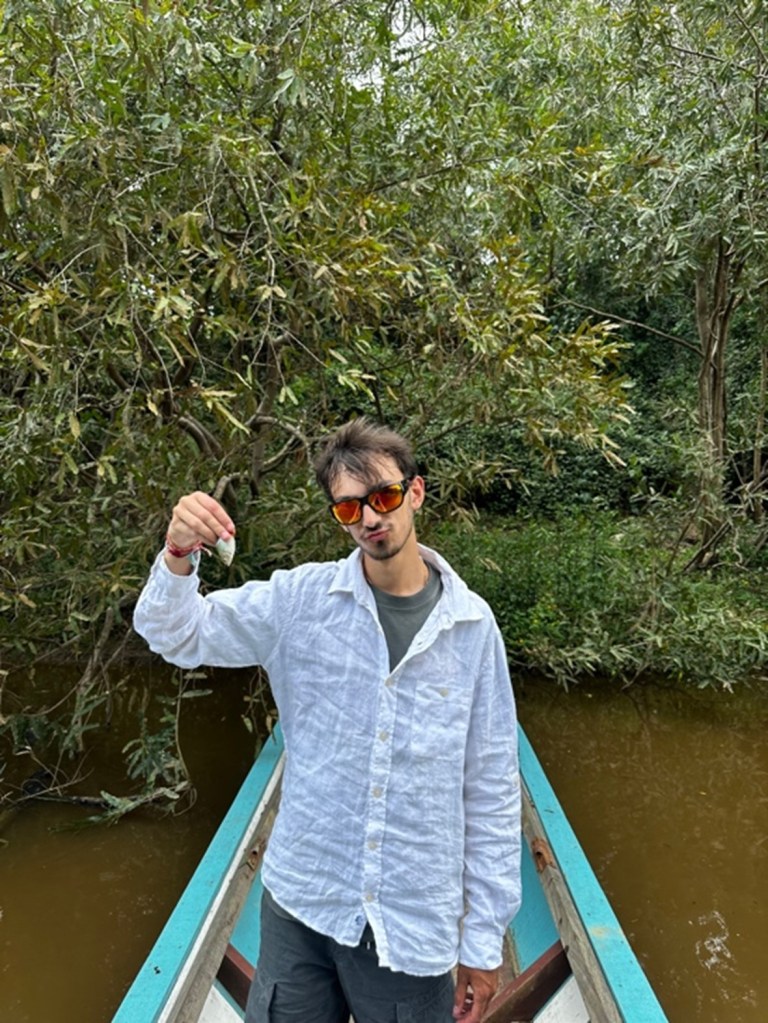
On my final night, I went out and saw caiman eyes reflecting in the dark, and also found a monstrous black caiman that, unlike the others, wasn’t scared by the boat and instead lay hissing until we left. The following day I fished with simple lines and caught a baby piranha, before heading back to the lodge and driving to town, seeing toucans on the way. I caught an overnight bus back to La Paz and prepared for the next stretch of the journey that would take me to Peru.
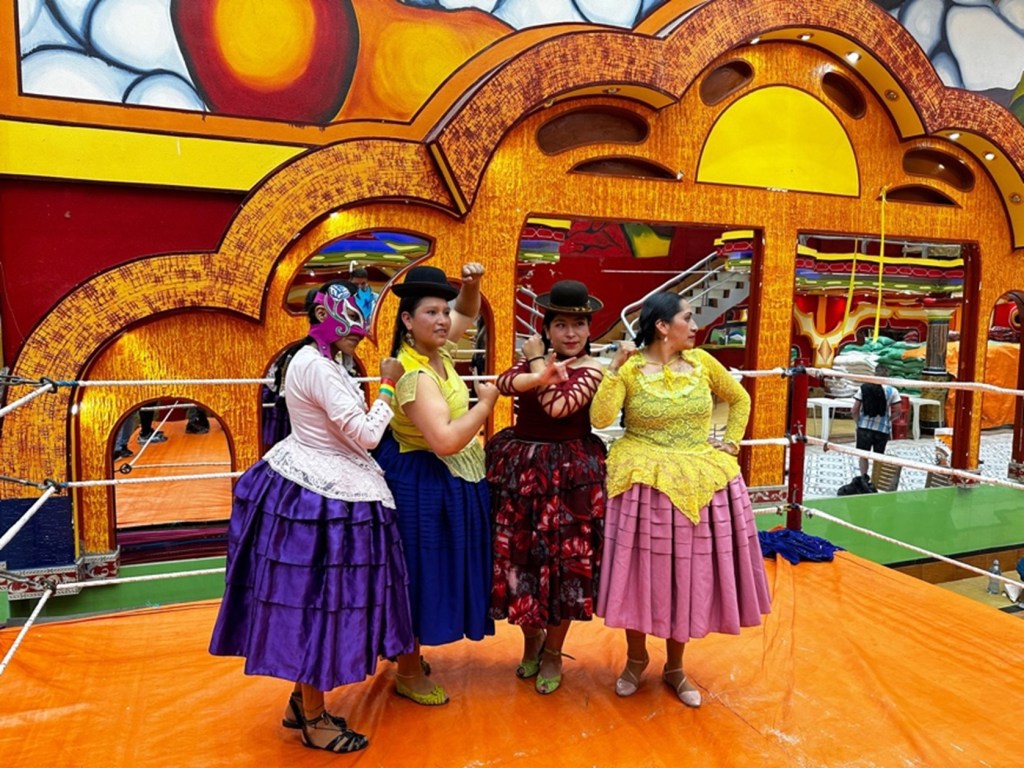
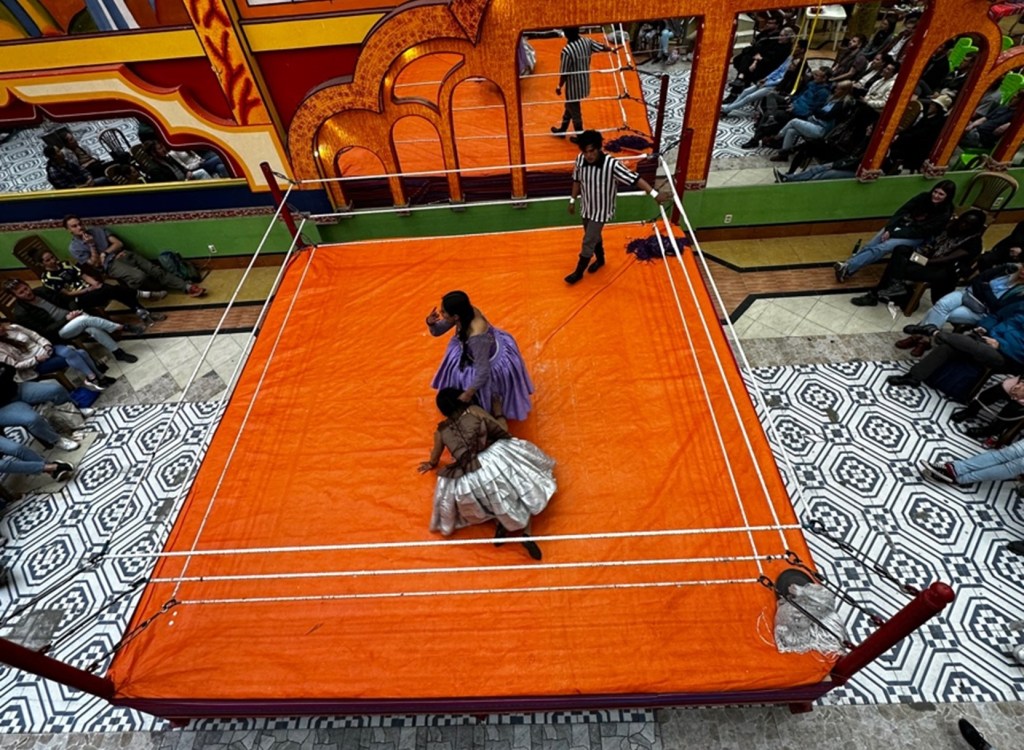
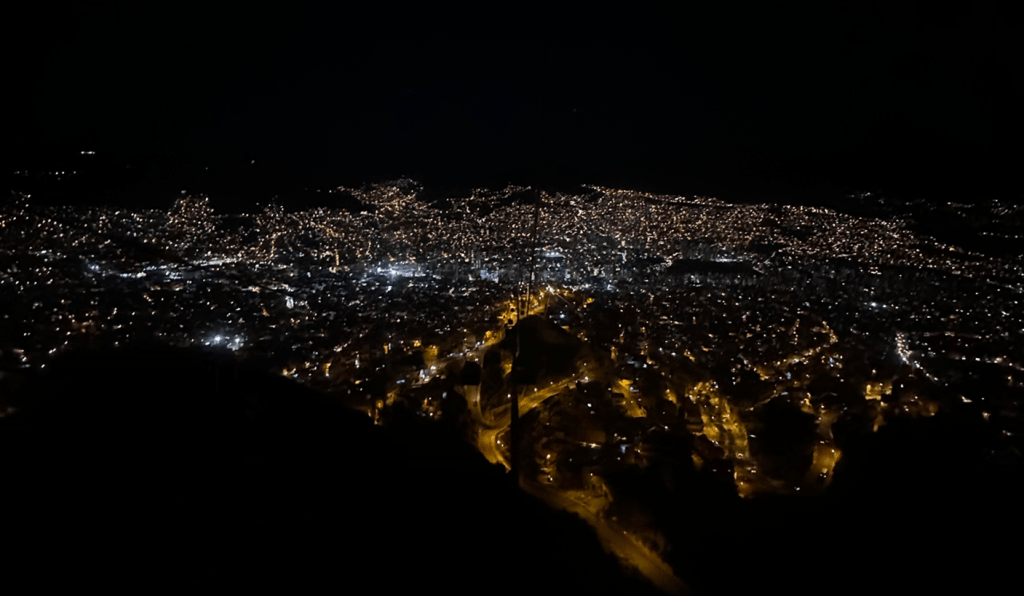
Arriving back in La Paz, I found a new hostel and checked in, before booking a bus to Copacabana. That afternoon I took the cable car over the El Alto open-air market, to a Cholita wrestling event – a WWE-style wrestling show with traditionally dressed Bolivian women. On the return, I was able to see the beautiful sparkling cityscape below, nestled in between the mountains.
The next morning I took a bus to Lake Titicaca, crossing by boat and finishing my journey in Copacabana. I spent a couple of days resting, exploring the area and taking in the view of the highest lake in the world on hikes and from a zipline.

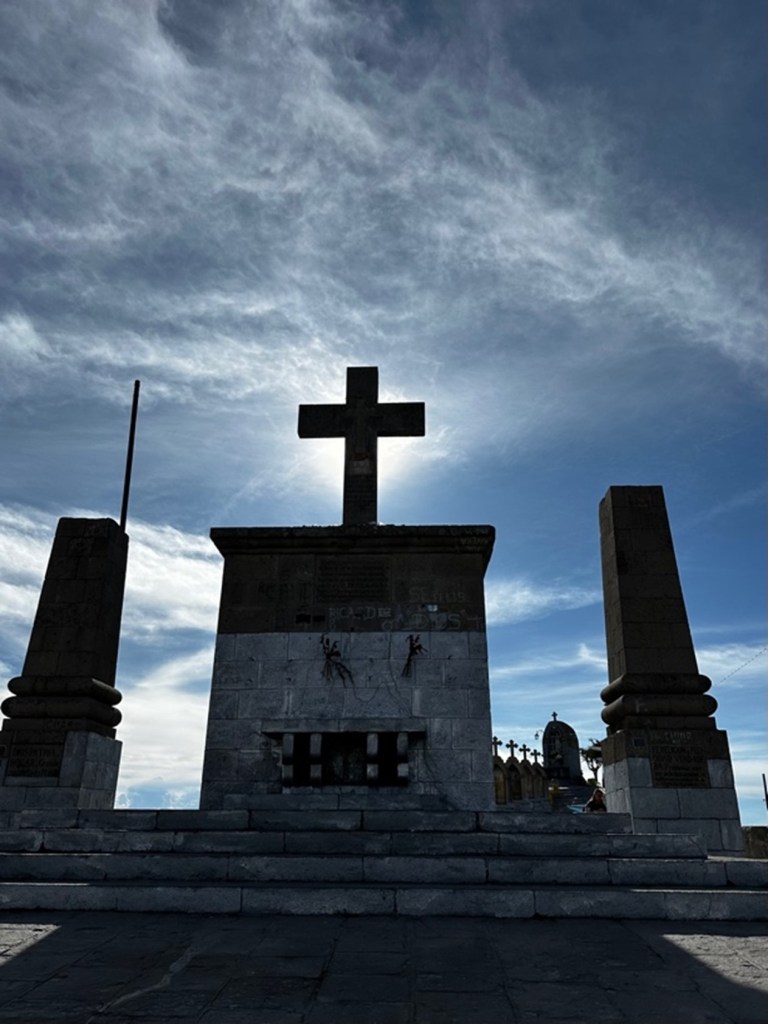
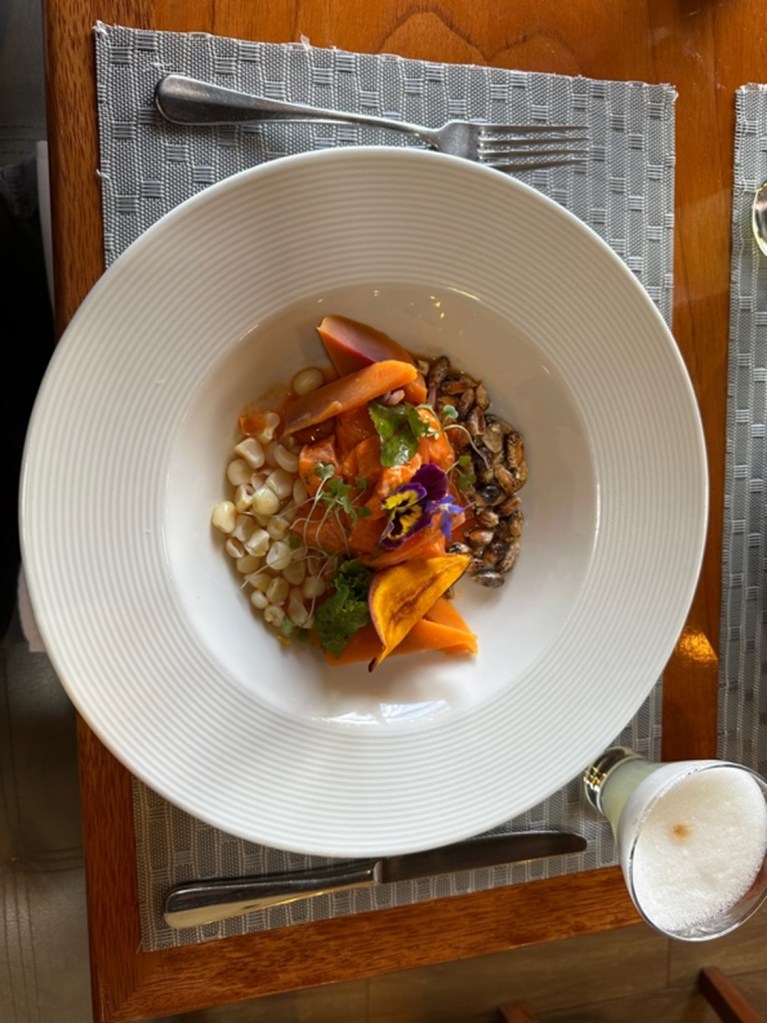
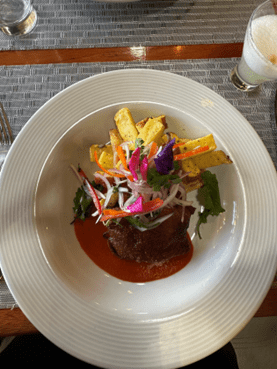
I departed Copacabana on the 24th on a bus to Cusco, arriving at the Peruvian border mid-afternoon and after clearing immigration, reboarded the bus to finish the journey. I arrived early Christmas morning and spent the next hour and a half trying to find a hotel to check in to, in a very Mary and Joseph-esque scene. Finally finding one, I checked in and called my family back home to see how their Christmas was going, before going to sleep. When I woke, I walked to the main square, where I had my most interesting Christmas lunch to date – a delicious fresh ceviche, followed by roasted guinea pig and paired with a local drink, a pisco sour. After lunch I found a tour company and booked the next week of excursions – I was unlucky to find out that all Machu Picchu pre-booked tickets had sold out, and I would therefore have to forgo the hiking trails and instead travel by train if I wished to visit the ancient Incan city. I spent the rest of the day exploring the city and its beautiful architecture and preparing for the coming trips.
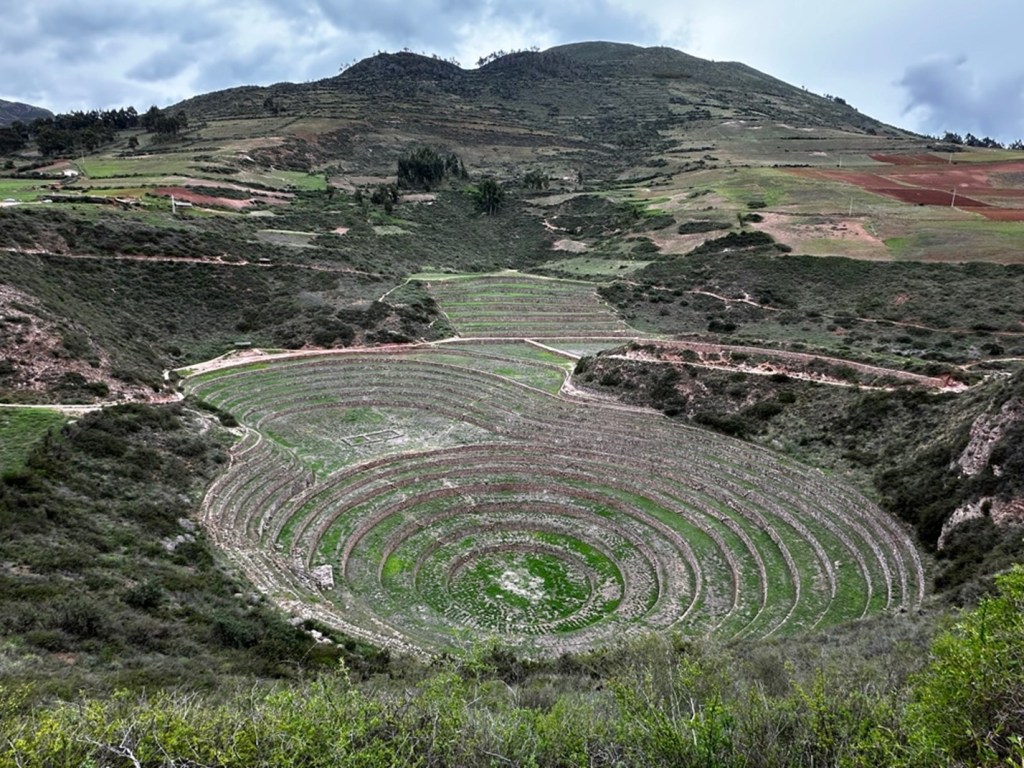
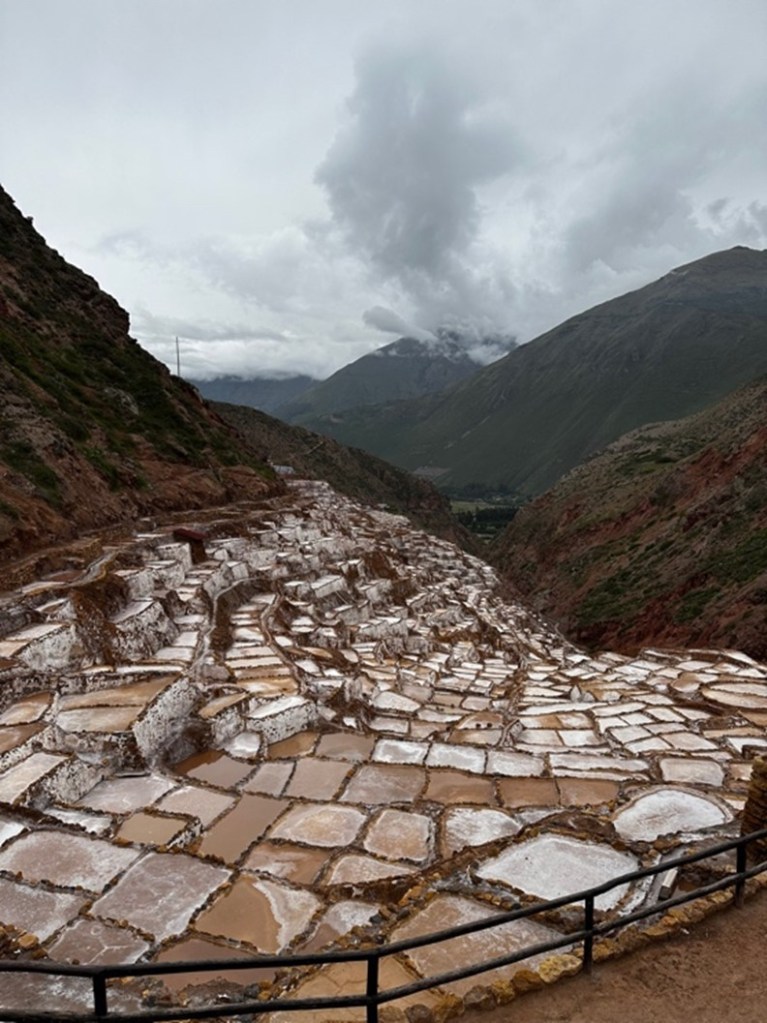
The following morning, I woke at 4am and was picked up for my first activity – visiting the Incan farms at Moray, and the salt mines of Mara. A short bus ride later our tour group arrived at a quad bike yard, and we helmeted up before driving out through open farmland with towering mountain ranges behind. After arriving, we learnt about the history behind the Incan farms – rather than import tropical foods from the amazon, or crops from the lowlands, the farms were created in rings with individual microclimates, allowing the Incas to grow and modify plants to the environment, and supply locals with food from a nearby source. Farms like these are the reason that South America is rich with potato species, as the artificial selection process allowed a diverse range of different characteristics to be developed, from colour, size, taste and growing conditions. Following our return to the bike-yard, we drove to the stepped Salineras de Maras, a traditional salt mine managed for generations by a small group of families. We had the chance to try some salted chocolate and view the spring that allowed the salt mine to function, before returning to Cusco.
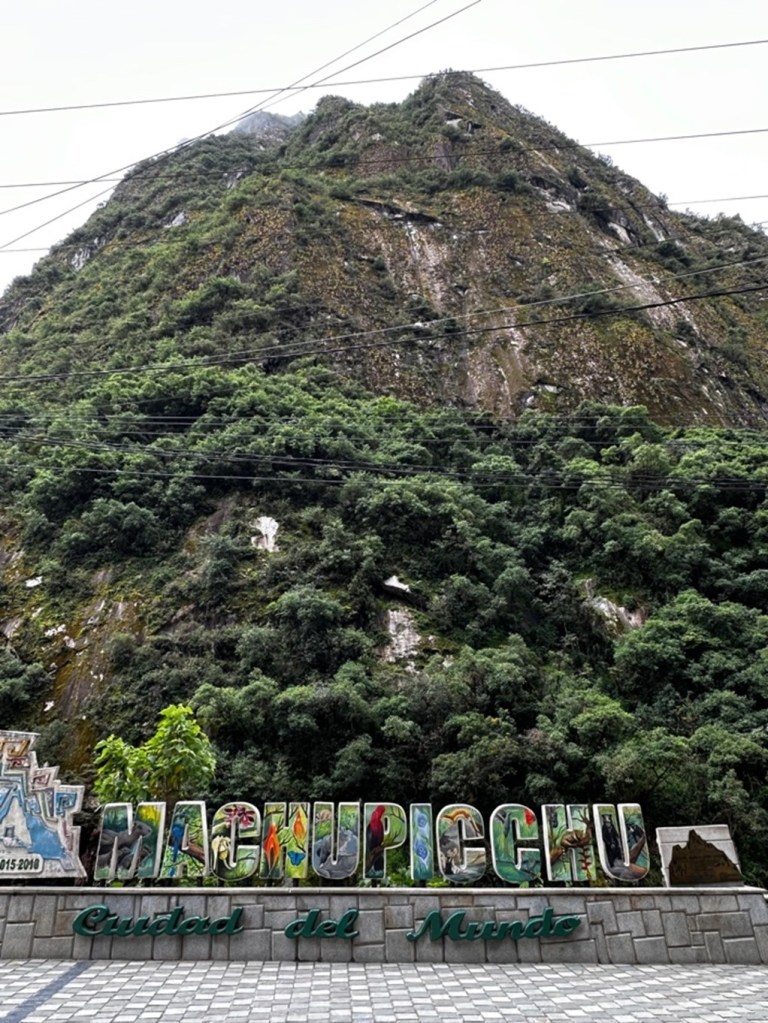
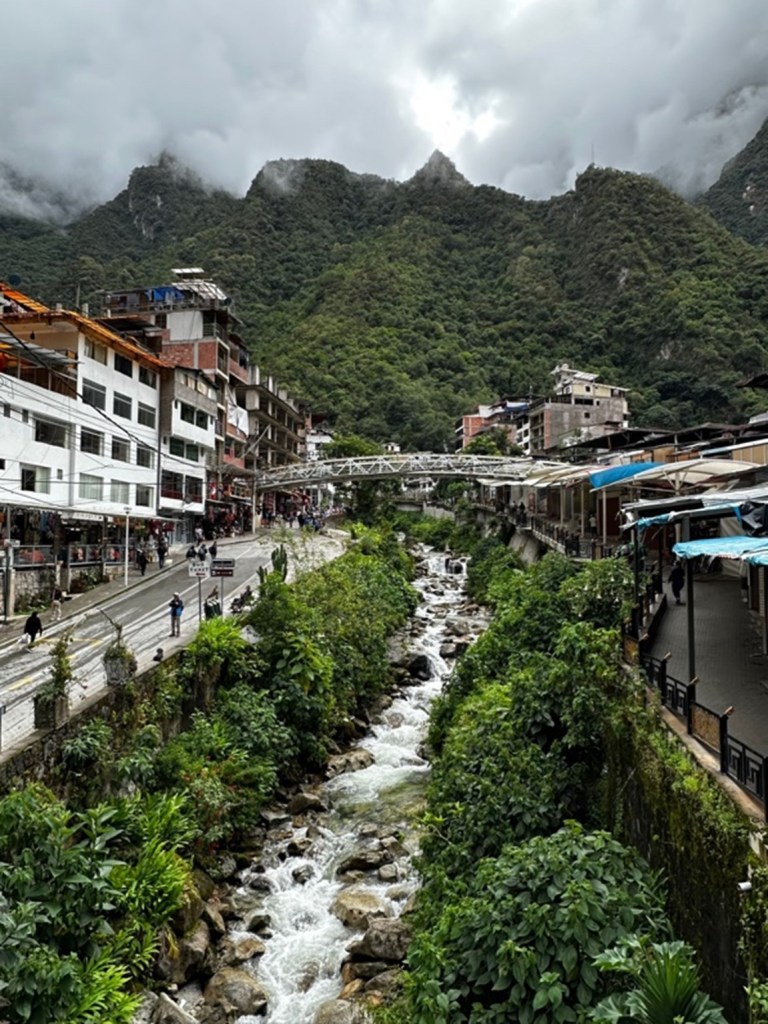
The next day yielded another 4am start, taking a bus to Ollantaytambo for the train to Aguas Calientes and then racing to the Machu Picchu ticket office to get in the ticket queue for the following day. After breakfast I explored the beautiful town, set amongst towering rock faces covered with tropical forests, before walking along the river to the Machu Picchu Museum, where I read about the cultural heritage of Machu Picchu, and some of the archeological finds unearthed since the city’s rediscovery. Returning to the ticket office, I bought my ticket and then headed to the thermal springs above the town, where I saw a little waterfall before relaxing in the heated waters below.

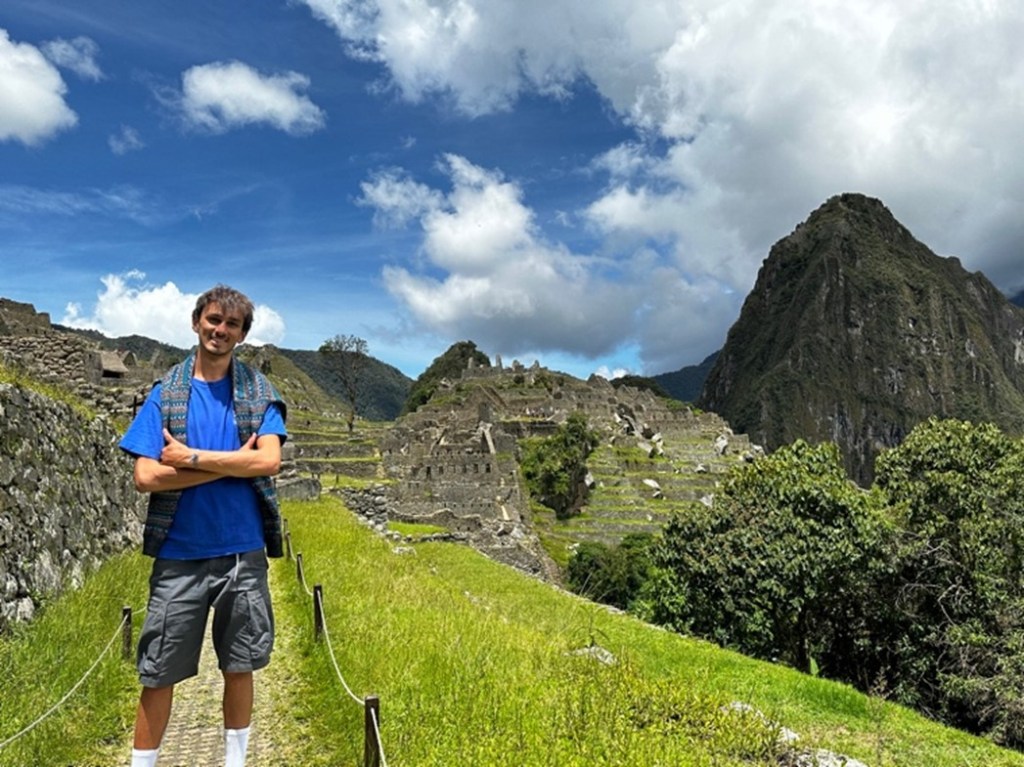
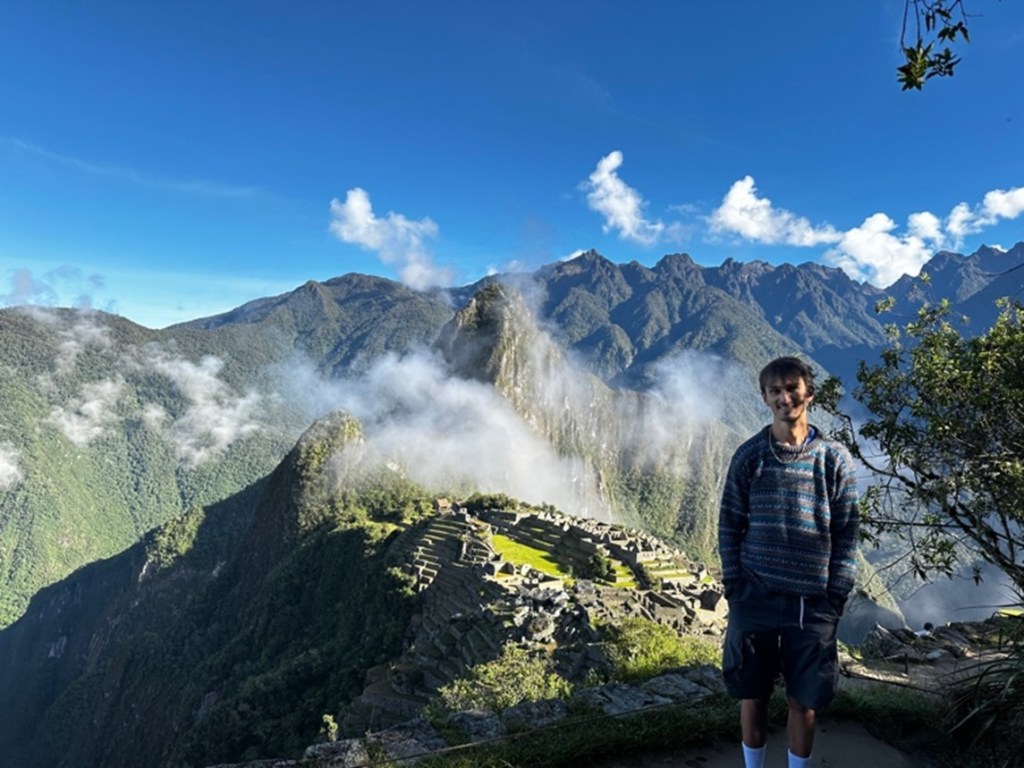
Machu Picchu was by far one of the best days of the trip – an early bus to arrive before the throngs led to some amazing and unspoiled views. There was a little confusion as to where the tour meeting point was, but luckily, I managed to be a very rare double entrant to the city and had the chance to do both the upper and lower trails of the arial viewpoints. The guide told us that the city itself was never made to sustain the volume of visitors it receives and will likely be closed off to tourists which made it an even more humbling experience. Research has showed the number of constructed paths in and out are more numerous than once thought, and it is interesting to hear the local viewpoints on what Machu Picchu may have become, were it not for the Spanish conquistadores. The beautiful weather gave us stunning panoramas of the city and surrounding mountainous fortress, and walking through the fortified city was extra special for me, as I saw many of the places my parents took photos more than 20 years ago, although many were closed for safety and to maintain structural integrity. I was amazed by the architectural prowess commanded by the Incan stonemasons, and it wasn’t difficult to why the site is named one of the modern wonders of the world. After a long day exploring, I returned to town, and took the train and bus back to Cusco.
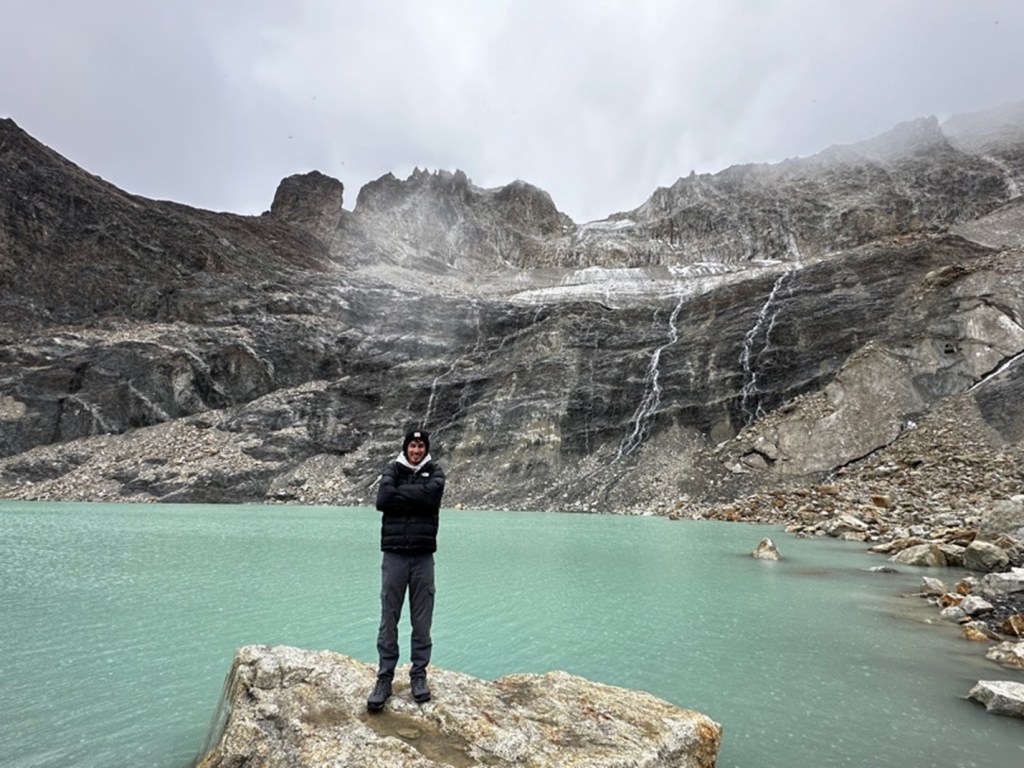
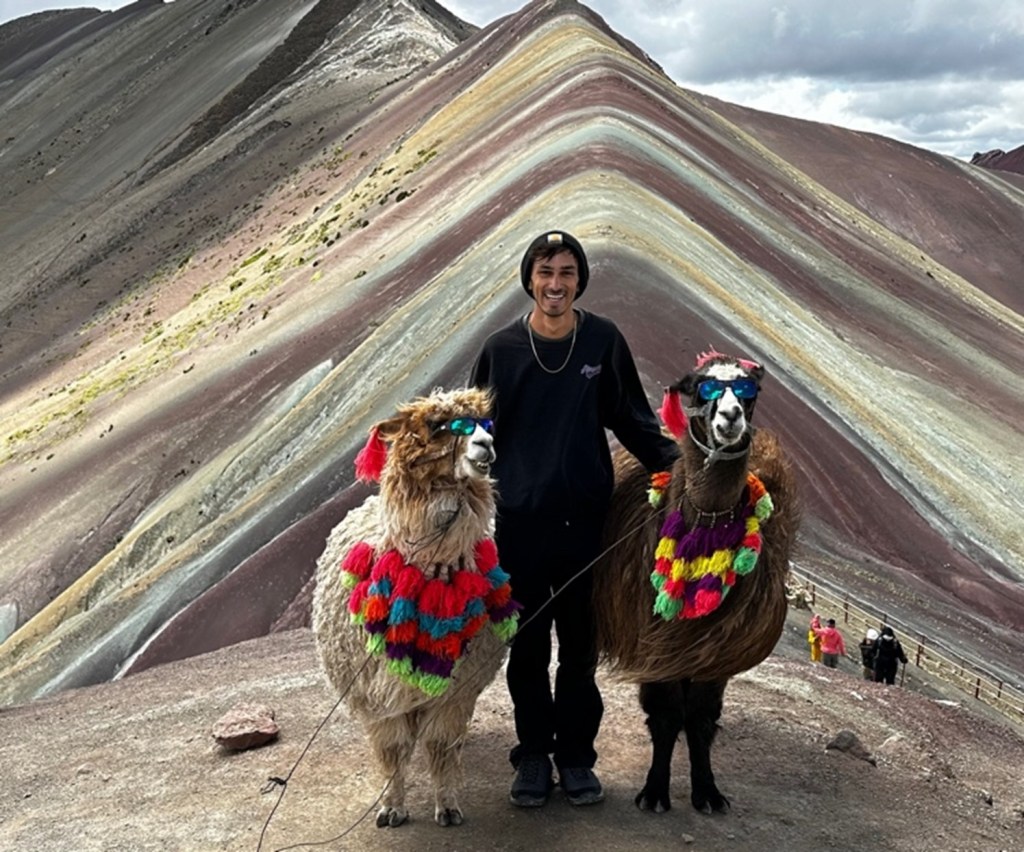
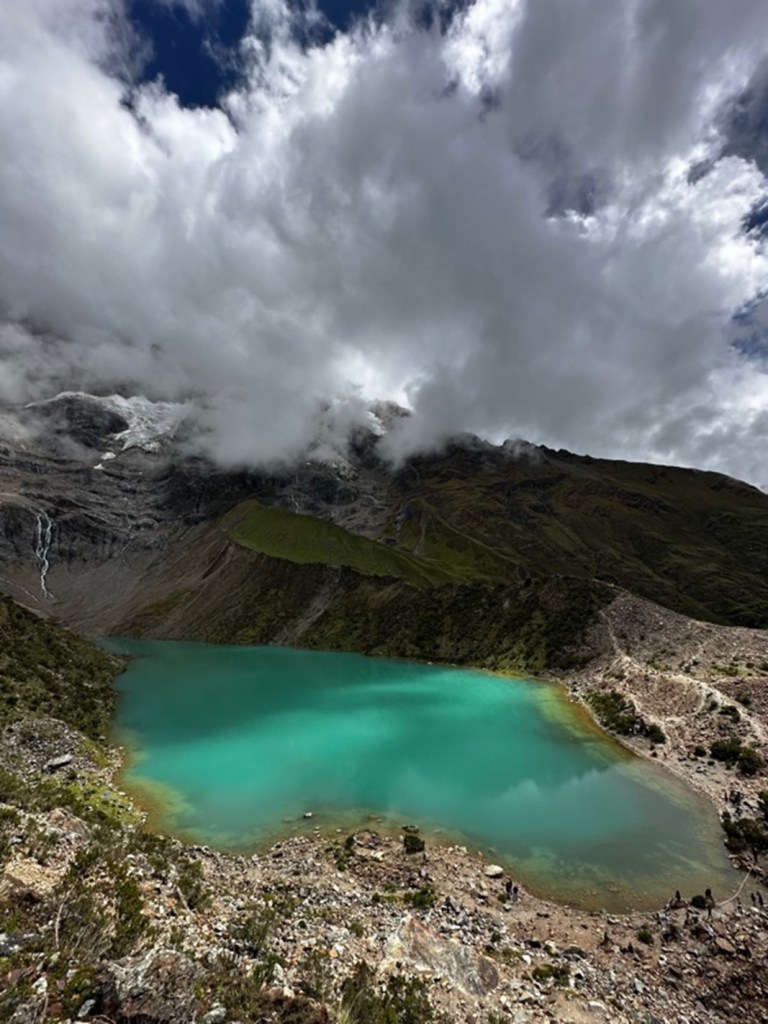
The next trip I took was to Mount Vinikunka, or Rainbow Mountain. It was a few hours by bus from Cusco, and became famous less than 10 years ago due to its highly pigmented surface, caused by the accumulation of minerals such as copper, sulphur, calcium and iron. This trip was followed the next day by an excursion to Humantay Lake, a sky blue altiplano lake fed by a melting glacier, with more impressive mountain ranges and geological formations
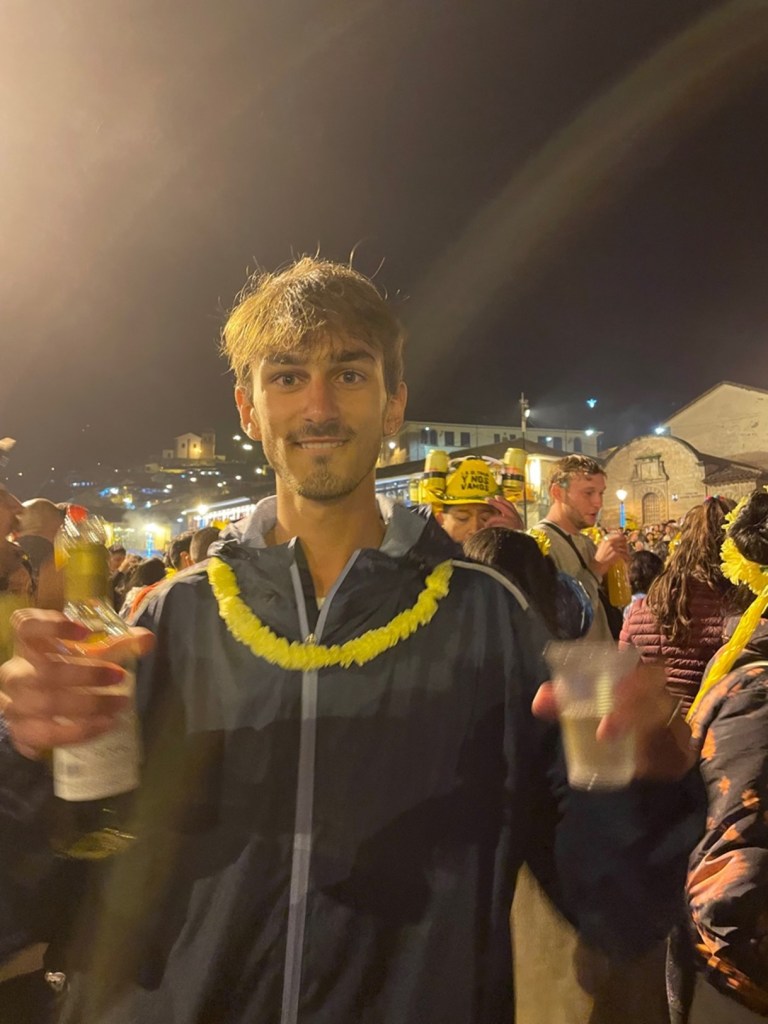
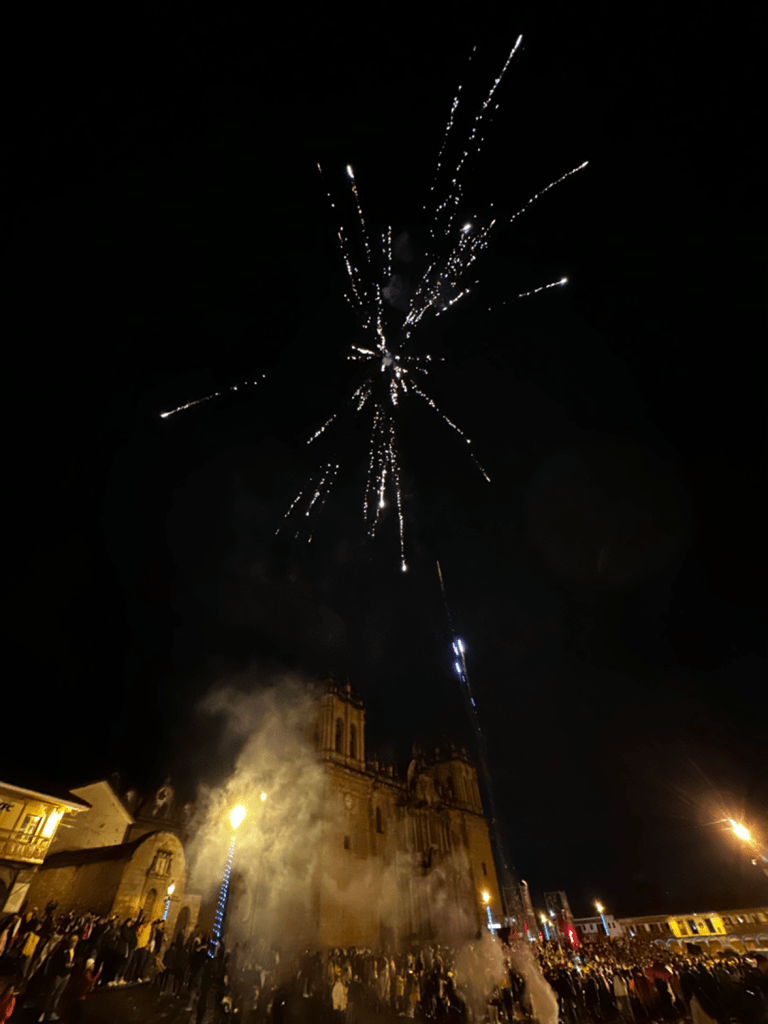
The next day was New Year’s Eve, and I started it with an alpaca burger, before looking through some of the shops found in Cusco’s old town for souvenirs. I visited Sacsayhuaman, an Incan town above Cusco, but cut the trip early due to torrential rain, and ended up in a local bar to read and check out the preparations for New Year’s. I returned to the hostel, and despite some inconvenient water issues cleaned up, had some food and headed out to the main square for the celebrations. This included a lot of firecrackers, music, dancing and yellow attire – apparently good luck in parts of South America due to its associations with money and prosperity. At midnight, everyone threw bags of rice and grain to grant good luck in the new year and processed to snake around the plaza with the throng of others. Heading back to the hostel, I chatted with other travellers in the rooftop bar and enjoyed some drinks and games, before getting a restful sleep to compose myself for the following day on the bus.
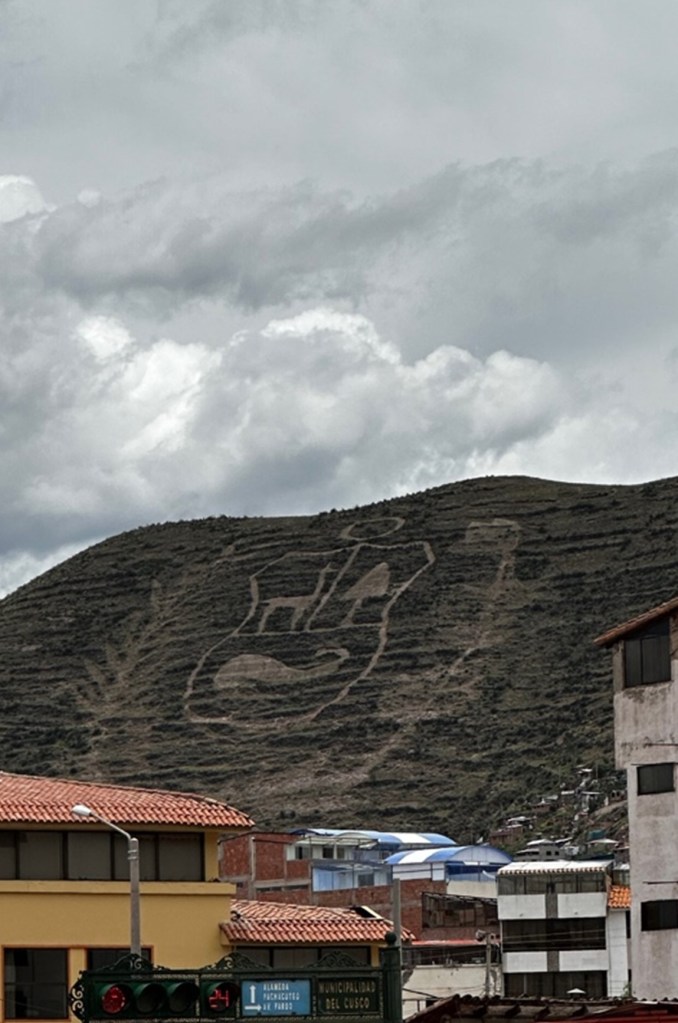
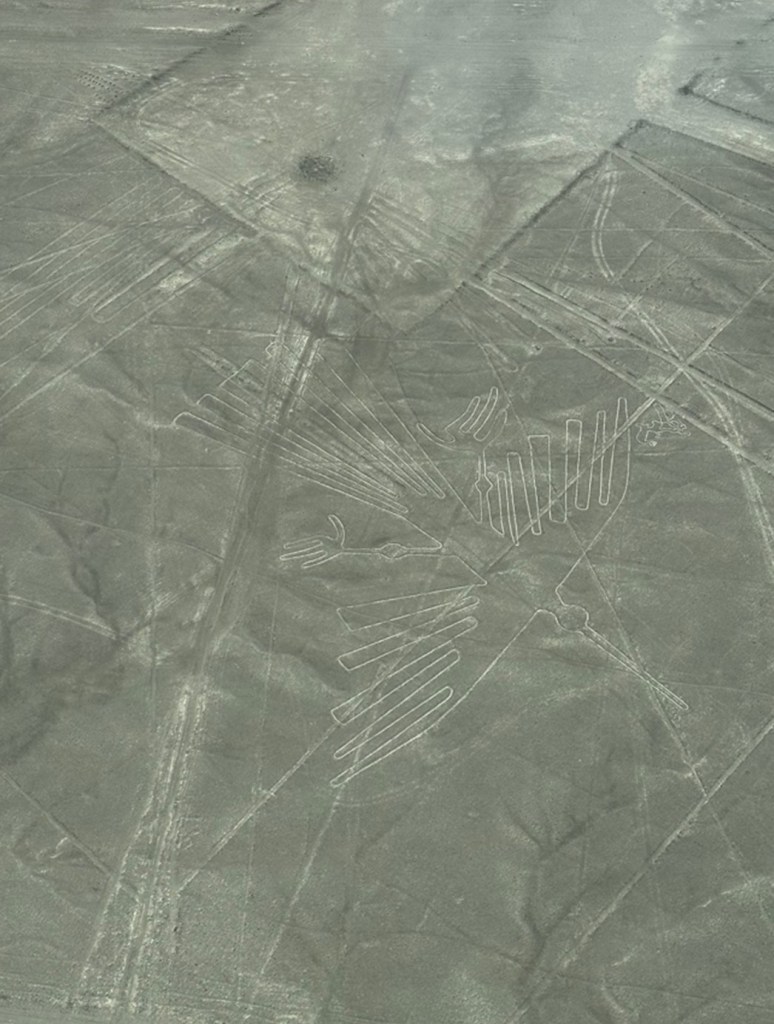
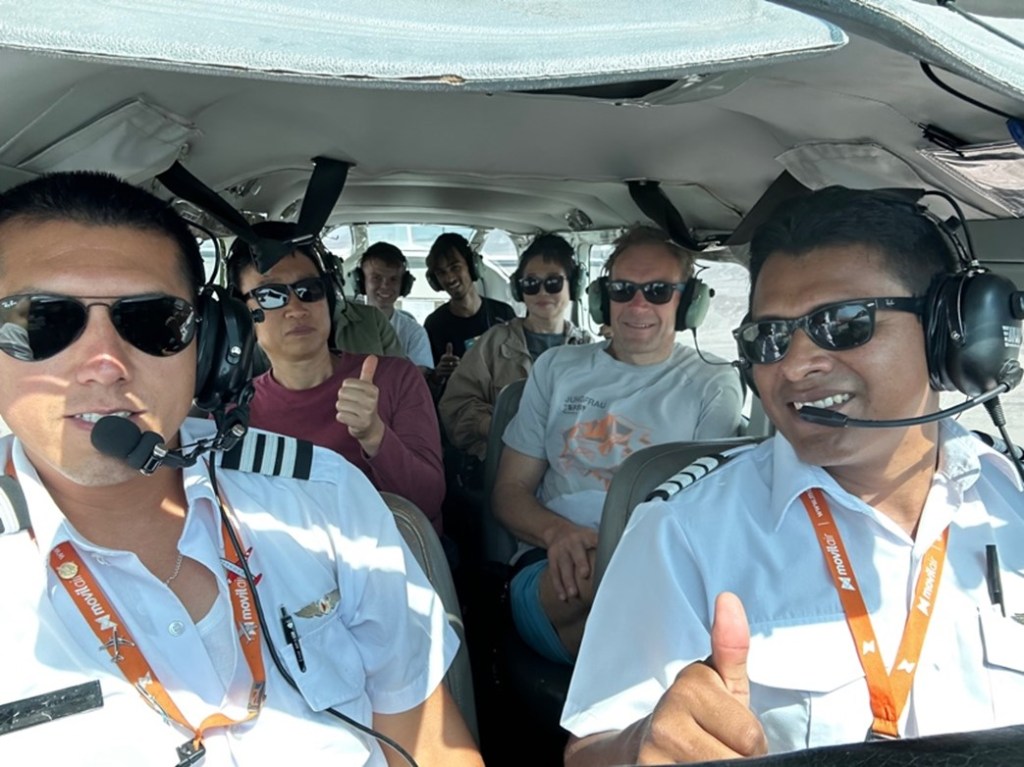
Catching a midday bus on the 1st, I arrived to Nazca at 4am the next day, and waited 3 hours for breakfast in a bus office. After eating, I met a guide for a Nazca lines flight, and after passing through a mini airport security, found myself in a very rocky plane looking down on the gigantic artworks. While some were easily distinguished, others were far more abstract and required much more brainpower to discern – difficult while flying erratically through the air. We followed the flight with a trip to an open air museum, where we saw mummies left by the ancient people of the region, who predated the Incan empire.
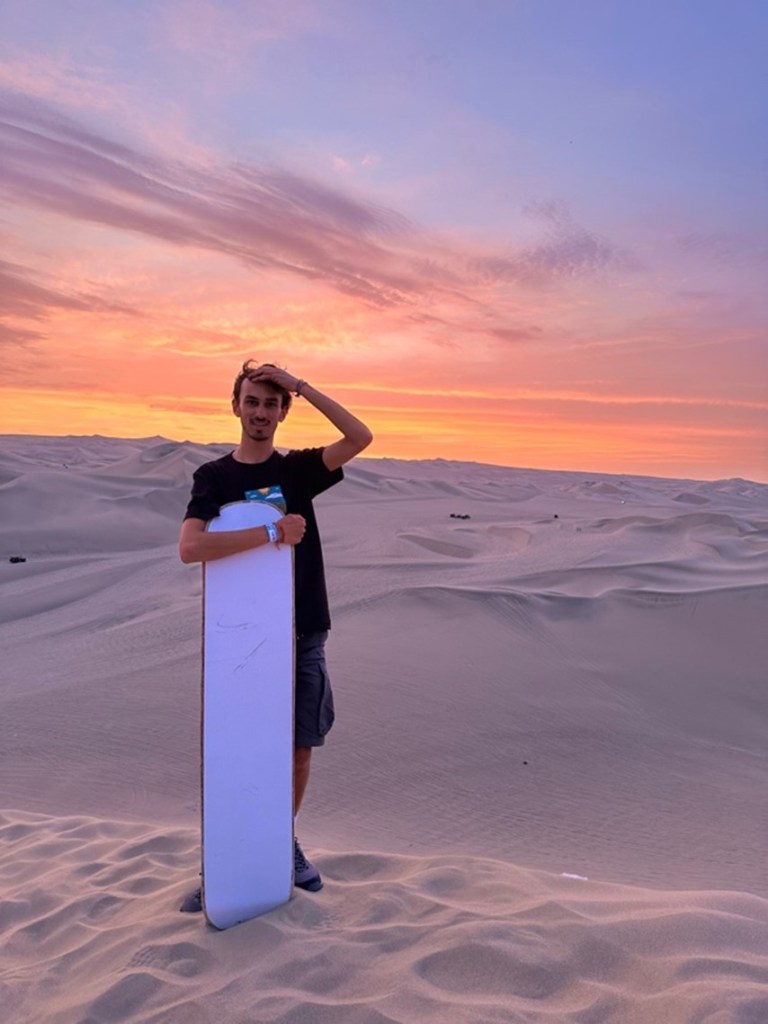
An afternoon bus took me to Ica, where I got a tuktuk to the oasis, surrounded by huge dunes. Booking a quick tour, I was soon hurtling across the sand in a buggy, before sliding down dunes at high speed on a snowboard – while an injury sidetracked the rest of the evening, I did get to view a beautiful pink sunset across the desert and finished the day with a meal beside the lagoon.
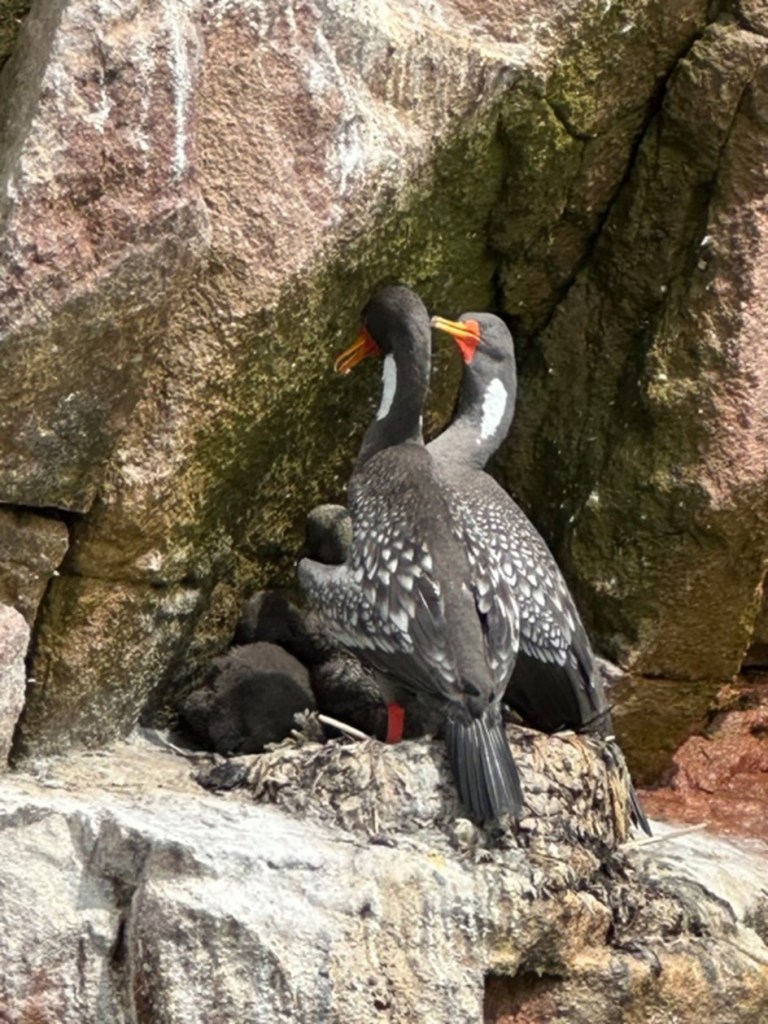
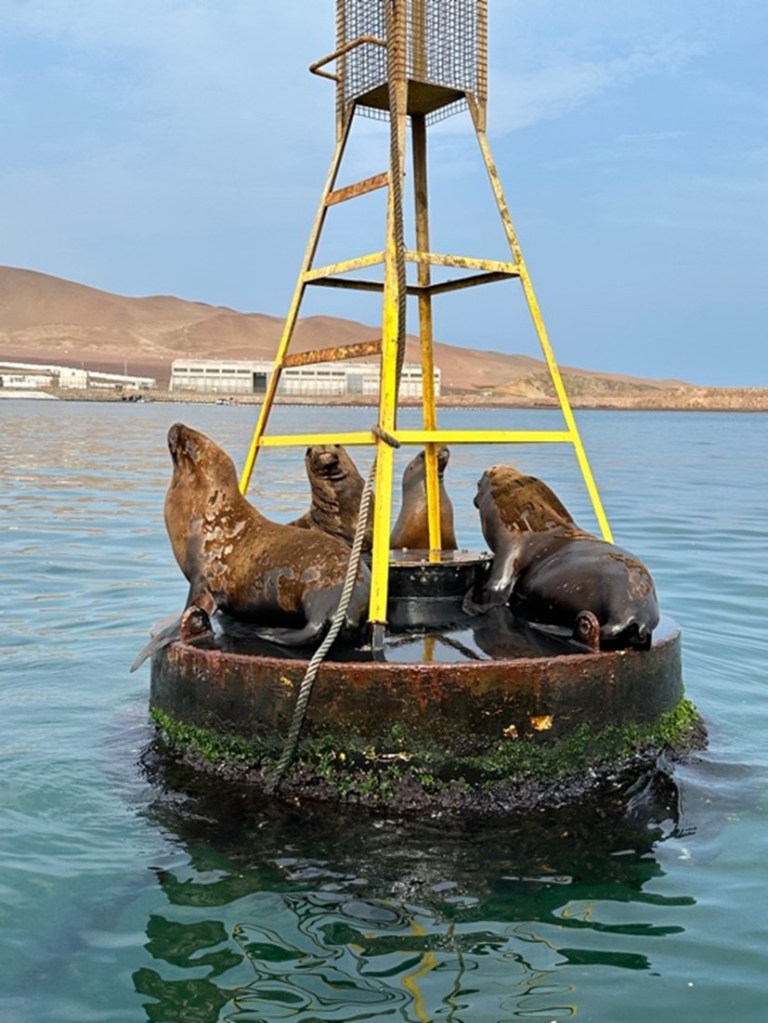
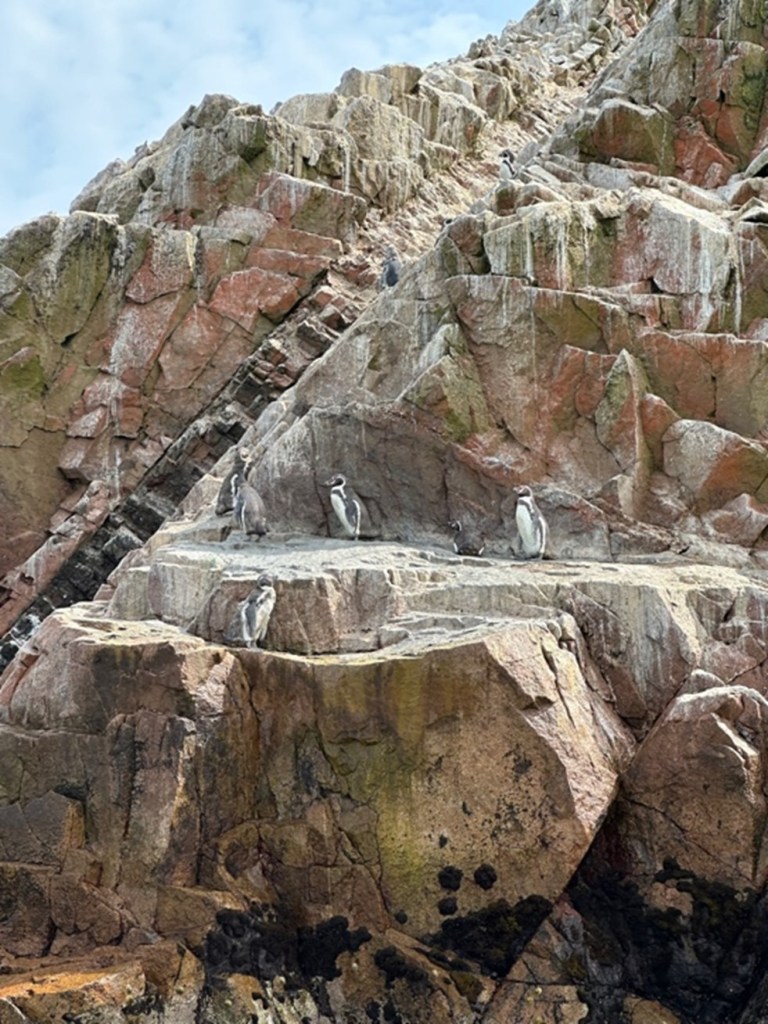
The next few days were spent relaxing in the seaside town of Paracas, where I took a boat tour out to a series of islands to see Humboldt penguins, pelicans, Peruvian boobys, cormorants and sea lions. Returning, I spent the day relaxing with travellers, and enjoyed a seafront meal in the sunset.
Wrapping up in Paracas, I took my final bus to Lima, and caught my flight back to Florida. I had an amazing trip, and I am so glad I had the opportunity to explore not only my host country, but also the opportunities provided to me by being in such a travel hub, that have truly allowed me to make the most of my exchange. While I originally had worries about my basic GCSE-level Spanish, this trip was a great cultural emersion, and definitely reinvigorated my love for languages. Everywhere I visited, I engaged in conversations in a mix of English and Spanish, and I didn’t have a single issue in getting my point across, which really surprised me and proved to me that travelling really is accessible. I will definitely be looking to travel more of South America in the future and can’t wait for my next trip!

 uonstudyabroad.com
Leave a comment